
Rewilding
Wild Hamatethy is a privately owned estate working to restore nature to 750 acres in north Cornwall.
We work for Cornwall-wide nature recovery through The Cornwall Stork Project and Cornwall The Bigger Picture.
The Land
Wild Hamatethy is a 750 acre estate in north Cornwall straddling the beautiful Camel valley and Bodmin moor sites of special scientific interest. Over the past few years the land has been transitioning from a large, intensively grazed, semi-upland farm towards a patchwork of diverse, newly created and recovering habitats.
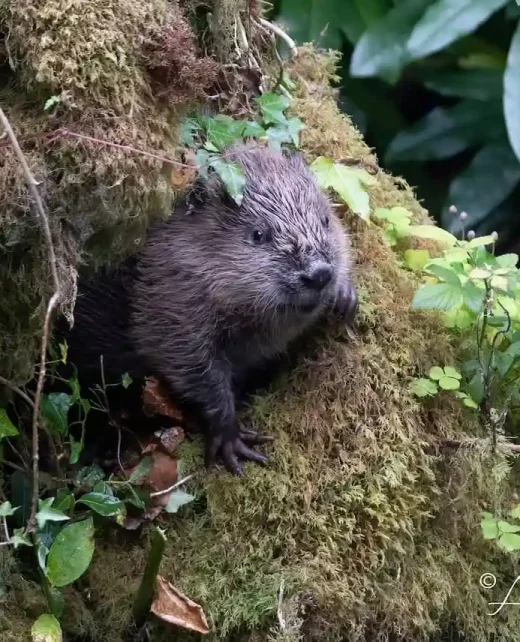
Wildflower rich, fledgling wood pasture has replaced an overgrazed field system. Introduced beavers have transformed a shaded, trickling stream into a spectacular, thriving and diverse wetland. The hedgerows and expanding scrub now swarm with an abundance of life and many species, once lost, are returning.
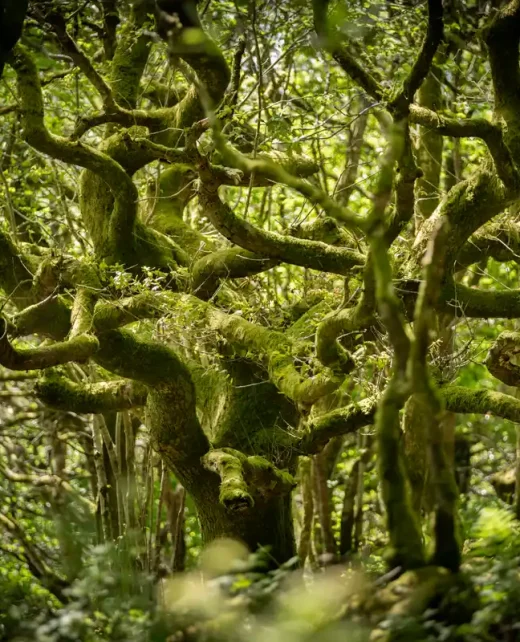
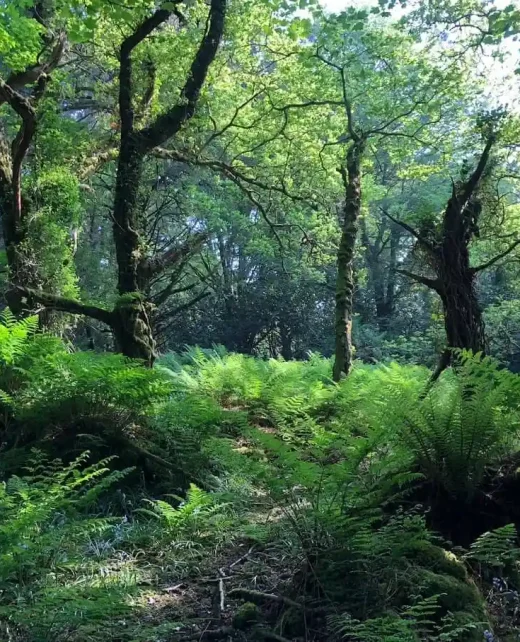
Hamatethy is home to rare fragements of atlantic temperate rainforest, ancient decidious woodland, beaver made wetlands, native orchards and young wood pasture. The beautiful river Camel (SSSI) and her tributaries run through the land which extends into the wild expanses of Bodmin Moor (SSSI and SAC) to the North.
Our Story
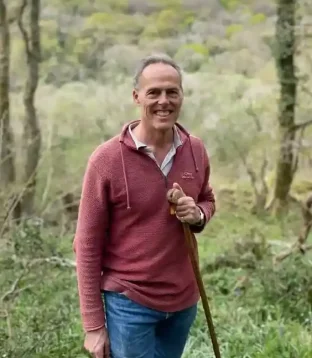
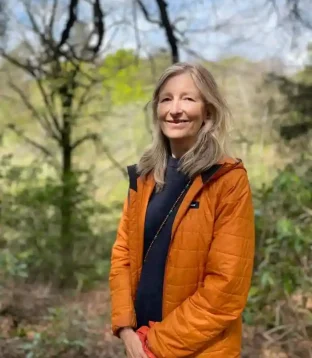
by Yan and Camilla Swiderski
Not long ago Hamatethy was a typical, overgrazed upland farm relying on pesticides, fertilisers and government subsidies to keep beef cattle and around a thousand grazing ewes. We gradually got rid of the sheep and converted to organic. The farm became more profitable, but what amazed us was the rapid change we saw in the landscape – the sward grew more complex and diverse, small mammals returned, and with them birds of prey and ground nesting birds, more butterflies, moths and all kinds of insects. We were compelled to keep going. We worked with Benedict Macdonald, author of ‘Rebirding’, to create a nature recovery plan and also with ecologist Derek Gow to reintroduce Beavers and Water Voles. We co-founded The Cornwall Stork Project and Cornwall The Bigger Picture, two organisations working for Cornwall-wide nature recovery through species reintroductions. It is a joy to see more life returning to the landscape of Hamatethy each season as it slowly transforms into a nature haven.
Nature Recovery at Hamatethy
Rewilding is a process of restoring natural processes to increase biodiversity, bioabundance and climate resilience. It is not abandoning land but working to create habitat and help land to heal.
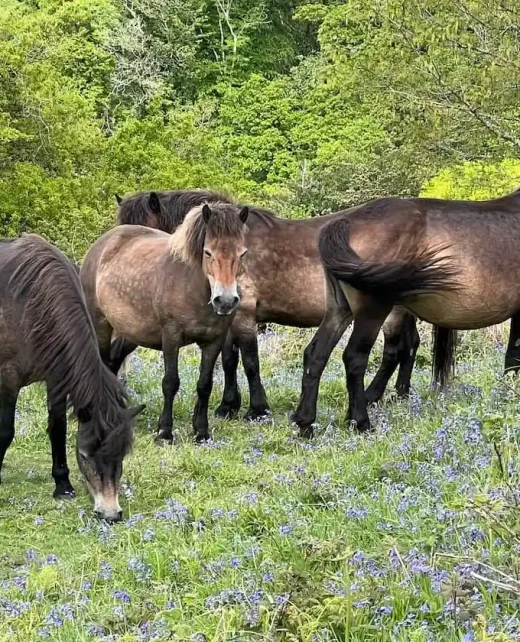
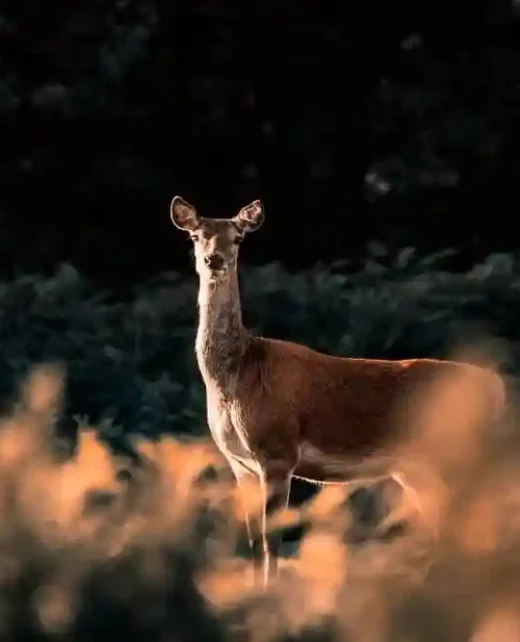
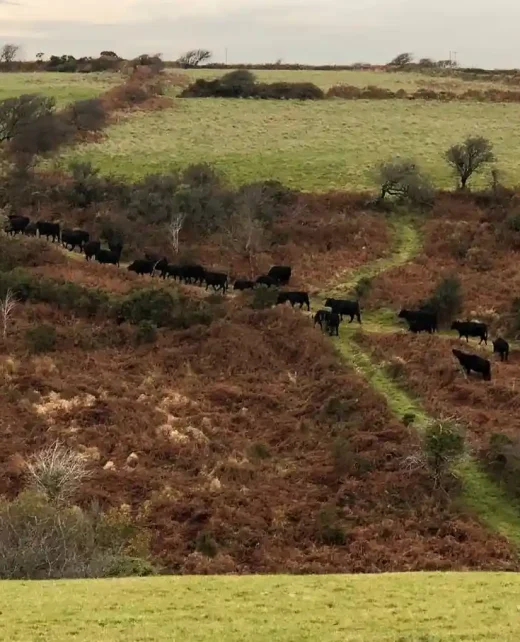
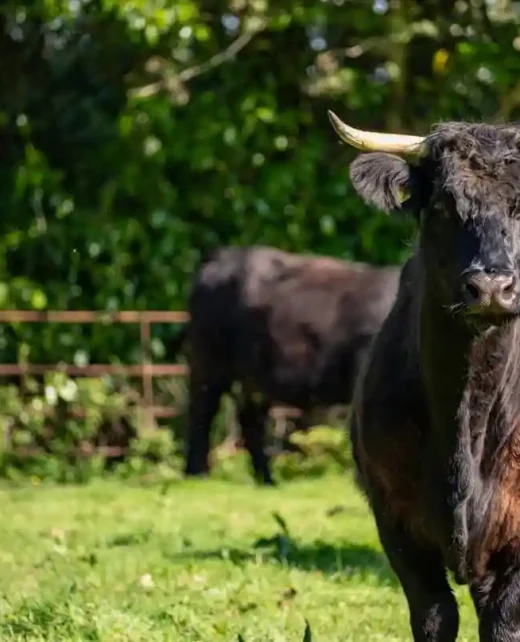
At Hamatethy we have strategically planted more than twenty thousand native trees, reintroduced Water Voles, Beavers, White Storks and Brown Hares. We manage deer pressure, build brash piles, seed wildflowers and look after a team of four legged ‘eco-system engineers’. We have free-roaming Welsh Black Cattle, Tamworth Pigs, Exmoor Ponies and visiting Red and Roe Deer. The grazing, browsing, rootling, dunging and trampling of our free roaming animals encourages plant diversity, carbon storage and improves soil ecology. Working with local conservation groups and the Cornwall Wildlife Trust we monitor and survey threatened species, hoping to see many more return in the coming years, perhaps Pine Martens, Glow-worms and Nightjars.
Charities
The Cornwall Stork Project www.thecornwallstorkproject.org
Wild Hamatethy is home to The Cornwall Stork Project.
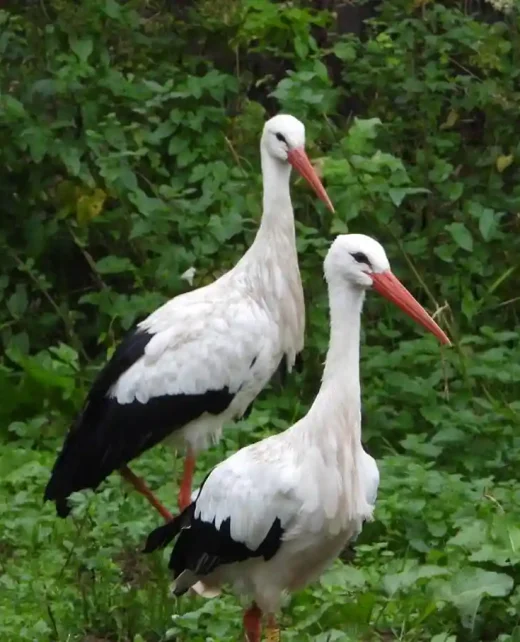
Standing as tall as a Heron, with a wingspan approaching two metres, the White Stork is one of Britain’s largest native birds. Their huge, emblematic nests, which can reach several hundred kilos over decades of reuse, become biodiversity hotspots in their own right, providing habitat for sparrows, starlings and scores of invertebrate species. Storks generally hunt within five kilometres of the nest and are generalist carnivores. They feed on earthworms, insects, small mammals, reptiles and amphibians. They can be an indicator of nature recovery across a landscape: good habitat for Storks is one where countless other creatures are thriving. They are also a flagship species: big, beautiful, charismatic and impossible to ignore, they draw public attention to nature and the importance of the web of life.
Beavers : Cornwall The Bigger Picture www.cornwallthebiggerpicture.org
This is an initiative to reintroduce Beavers to all the major rivers of Cornwall.
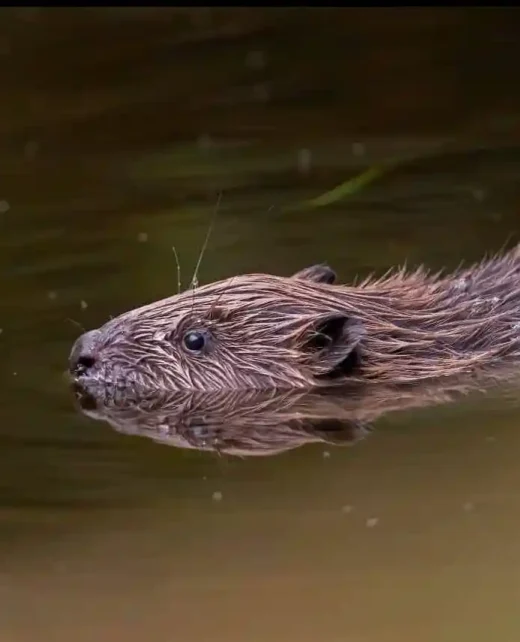
Beavers, large vegetarian water-dwelling rodents were ubiquitous across the UK until they were wiped out by hunting in the 16th century. Today it is clear how vital they are for our survival through the changing climate. The unassuming, gentle, nocturnal creature is a superstar keystone species. Beaver dams create wetland habitat supporting water voles, fish, otters, bats, amphibians, dragonflies, wetland birds and invertebrates. The ponds and areas of still water they create teem with insect life and hold more water on the land mitigating both droughts and flooding which are becoming more frequent with the changing climate. The filtration effects of beaver wetlands reduce silt and nutrient pollution to estuarine habitats and the coastal waters, helping to protect the shellfish populations, both farmed and wild.
We are supporting Cornwall The Bigger Picture and working with The Cornwall Beaver Project and Cornwall Wildlife Trust on this ambitious plan.

Wildlife
Our goal is to protect, restore and create a diverse mosaic of habitats across the land. Here you will find Atlantic Temperate Rainforest, Beaver Wetland, Wood Pasture, The River Camel (SSSI), Native Orchards and Ancient Woodland.
Wild Hamatethy supports much more life now than before.
The wetland and rivers are home to Beavers, Otters, Herons, Dippers, Kingfishers, Salmon, Trout and Bullheads.
We hear Cuckoos in spring, Goshawks, Kestrels, Kites, Skylarks and Tree Creepers in the summer. We see an abundance of butterflies, moths, crickets and other insects.
Adders and slow worms lounge in the moorland sun. The night comes alive with several species of bat, including Horseshoe and Barbastrelles, Tawny and Barn Owls.
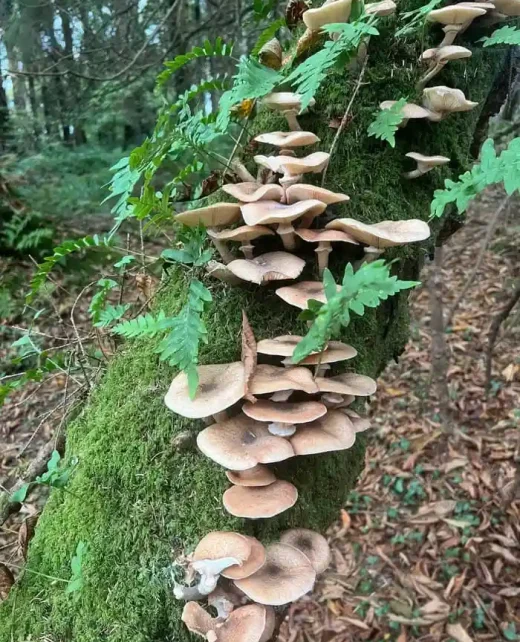
The temperate rainforest is home to rare bryophytes, an abundance of fungi, lichen and other epiphytes.
We hope Wild Hamatethy will soon become home to many more threatened and endangered native species, such as Nightjars, Pine Martens, Dormice and Red Squirrels and that the White Storks we release will return here to breed.
Wilder Farming
Alongside rewilding, the estate follows a Wilder Farming approach. Grazing animals live outdoors year round, performing their ecological roles while contributing to soil health and habitat diversity. Two traditional orchards have been planted, with space for cattle grazing as well as fruit production.
This approach supports both wildlife and food production, resulting in high quality organic beef, venison, pork and fruit produced as part of a natural, working landscape.
Volunteering
Want to get involved with the project? We would love to hear from you!
Email us at volunteer@wildhamatethy.com



Stay Updated on News